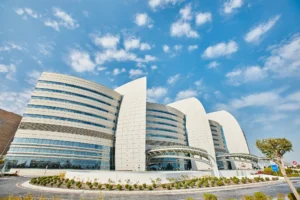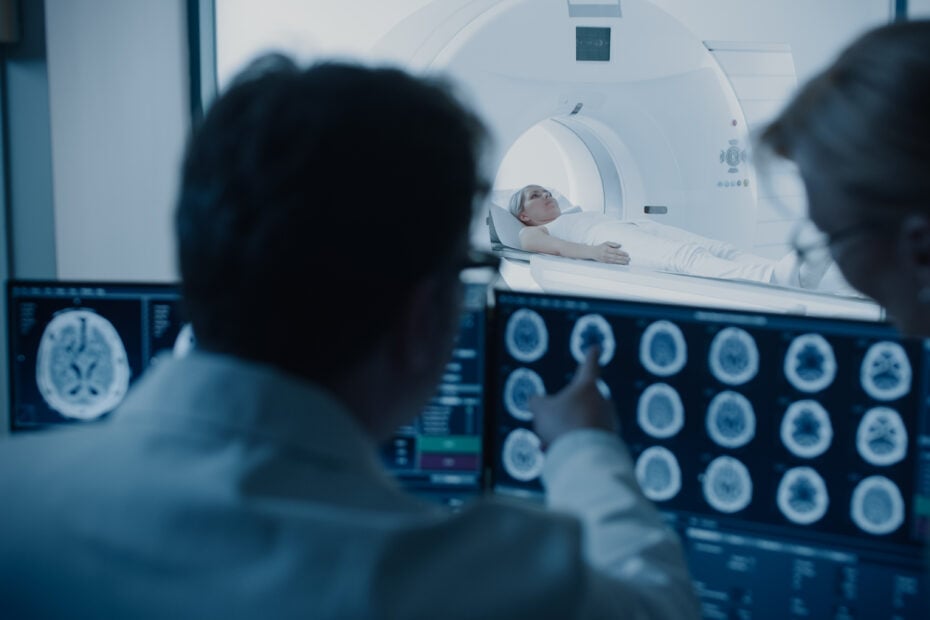
India is one of Asia’s leading destinations for advanced cancer care, combining highly specialized oncology expertise with modern technology and comparatively affordable treatment. From major public academic centers such as AIIMS and Tata Memorial to private hospitals offering proton therapy, robotic surgery, precision radiotherapy and cellular therapies, patients can access a broad spectrum of cancer treatment across the country.
Choosing the best cancer hospital in India, however, depends on more than reputation alone. Cancer type and stage, oncologist expertise, access to specialist technology, waiting times, treatment costs and international patient support can all influence which hospital is most appropriate. For patients wondering which is the best hospital for cancer treatment in India, the answer will vary according to their individual diagnosis and priorities.
In this 2026 guide, Medical Travel Market reviews 10 of the best cancer hospitals in India, highlighting their strengths, reputational advantages and suitability for different types of cancer care.
Several national and international surveys in India and the United States regularly rank hospitals based on their oncology expertise, clinical outcomes, and patient satisfaction. Drawing on these global surveys, along with insights from our global medical advisory network, Medical Travel Market has identified ten leading cancer hospitals in India. These hospitals stand out for their commitment to excellence in cancer care, advanced technology, multidisciplinary expertise, and the value they deliver to patients seeking state of the art cancer treatment in India.
Which Is the Best Cancer Hospital in India?
There is no single best cancer hospital in India for every patient, as the right choice depends on the type and stage of cancer, the treatment required and the expertise available for that particular diagnosis. Some hospitals are recognized for complex surgical oncology, while others have particular strengths in areas such as blood cancers, bone marrow transplantation, proton therapy, precision radiotherapy or advanced systemic treatments. Oncology is a vast field and patients should consider the experience of the treating oncologist, multidisciplinary tumor board support, access to the latest technology, waiting times, treatment costs and, for overseas patients, the quality of international patient services.
The best hospital for cancer treatment in India is therefore the one that offers the strongest combination of all these factors centered around the individual patient’s needs.
Best Cancer Hospitals in India: Quick Comparison
Here is a snapshot of how the 10 hospitals below compare on setting, specialization and international patient pathways. The order of the list does not indicate a ranking. Full profiles follow below.
Hospital | City | Type | Best Known For | International Patients | Cost Tier |
Max Super Speciality Hospital, Saket | New Delhi | Private | Multidisciplinary cancer care | Yes – established pathway | Private (premium) |
Apollo Proton Cancer Centre | Chennai | Private | Proton therapy | Yes – established pathway | Private (premium) |
Medanta Cancer Institute | Gurugram | Private | Surgical & radiation oncology | — | Private (premium) |
AIIMS — Dr. B.R.A. Institute Rotary Cancer Hospital | New Delhi | Public/academic | Complex oncology & research; stem-cell transplant | — | Public (lower cost) |
Indraprastha Apollo Hospitals | New Delhi | Private | Solid-tumor & hematology oncology (JCI accredited) | Yes – established pathway | Private (premium) |
Tata Memorial Hospital | Mumbai | Public/specialist | High-volume comprehensive oncology | Yes – established pathway | Public (lower cost) |
CMC Vellore | Vellore | Private academic (not-for-profit) | Radiation oncology; complex cases | — | Mid-range |
Kokilaben Dhirubhai Ambani Hospital | Mumbai | Private | Radiation & robotic surgical oncology; breast cancer (JCI/NABH/NABL/CAP) | Yes – established pathway | Private (premium) |
Rajiv Gandhi Cancer Institute (RGCIRC) | Delhi | Private, dedicated cancer hospital | Dedicated cancer-only hospital | Yes – established pathway | Private (mid–premium) |
PGIMER | Chandigarh | Public/academic | Academic public-sector oncology | — | Public (lower cost) |
Methodology — How We Selected the Best Cancer Hospitals in India
Medical Travel Market reviewed each hospital based on a combination of clinical credentials, institutional reputation, specialist cancer expertise and access to advanced treatment technology. Our assessment considers recognized accreditations, the experience and reputation of hospital leadership and oncology clinical chairs, the breadth of multidisciplinary cancer services, and major investments in areas such as proton therapy, robotic surgery, precision radiotherapy, bone marrow transplantation and cellular therapies.
We also reviewed published international rankings, including sources such as Newsweek’s World’s Best Hospitals and specialist hospital rankings, where relevant. Particular weight was given to hospitals with a strong track record in cancer research, high patient volumes, established centers of excellence and a reputation for managing complex or advanced cancer cases.
10 Best Cancer Hospitals in India
1. Max Super Speciality Hospital — Saket, New Delhi
Max Super Speciality Hospital (MSSH) anchors Max Healthcare’s oncology program across Delhi. The hospital features multidisciplinary cancer care (surgical, medical and radiation oncology) and is consistently recognized among India’s leading hospitals; Newsweek’s 2025 list places MSSH Saket among the country’s top hospitals.
The wider Saket campus operates from a 530+ bed facility across 38 specialties and has treated more than 3.4 million patients since opening. This is one of the highest cumulative patient volumes of any private hospital in Delhi, spanning all departments rather than oncology alone.
Beyond clinical services, the Max Institute of Cancer Care hosts “Max Onco Updates,” a scientific forum convening more than 1,000 experts to advance teaching, research and clinical collaboration, which is an indicator of the group’s academic footprint alongside patient care.
2. Apollo Hospitals — Chennai (Apollo Proton Cancer Centre)
Apollo’s Chennai campus is home to the Apollo Proton Cancer Centre (APCC), South Asia’s first clinical proton-therapy facility, inaugurated in January 2019. APCC brought precision particle therapy to the region for complex tumors near critical structures, such as the skull base, and for pediatric cases, expanding India’s radiotherapy services for international patients.
The centre operates three proton therapy treatment gantries and a team of more than 50 medical and surgical oncologists, and reports having treated patients from more than 147 countries, including over 10,000 international patients since opening — among the highest international caseloads of any single-specialty cancer center in India.
The broader Apollo network also reports innovations across transplant and day-care oncology pathways, underlining a push toward faster recovery and lower inpatient burden where appropriate.
3. Medanta — The Medicity, Gurugram
Medanta’s Cancer Institute delivers comprehensive oncology with strong surgical and radiation programs, including CyberKnife and TomoTherapy. The Gurugram campus has been repeatedly cited by Newsweek among India’s best private hospitals, reflecting peer and outcomes-based recognition.
The wider Medanta Medicity campus operates more than 1,250 beds across 29 super-specialty units, with over 800 doctors on staff, and featured on Newsweek’s list of the world’s top 250 hospitals in 2024.
In radiation oncology quality assurance, Medanta reports achieving an internationally benchmarked Postal Dosimetry Audit for CyberKnife/TomoTherapy, signaling rigorous dose-delivery accuracy. This is a key determinant of safe, effective therapy. The group also highlights ongoing work in precision oncology and AI-enabled care pathways.
4. All India Institute of Medical Sciences (AIIMS) — New Delhi
AIIMS houses the Dr. B.R.A. Institute Rotary Cancer Hospital, one of India’s major public academic cancer centers with a long-running hematopoietic stem-cell transplant program. AIIMS’ oncology services pair high clinical volumes with the education and research output typical of a national referral hub.
The National Cancer Institute at Jhajjar, an AIIMS extension, adds more than 700 dedicated cancer beds, multiple PET scanners, a high-capacity operating theater complex and, notably, India’s first public-sector proton therapy service — significantly expanding access to advanced modalities within the public system.
5. Indraprastha Apollo Hospitals — New Delhi
Indraprastha Apollo is one of India’s most established private tertiary care centers and was the first hospital in India to receive Joint Commission International (JCI) accreditation, in 2005, a marker of adherence to international quality and safety standards.
Oncology at Apollo Delhi spans comprehensive solid-tumor and hematology services, including a dedicated Bone Marrow Transplant & Cellular Therapy center that the hospital has continued to expand, as part of a networked oncology service line integrating surgical robotics, advanced imaging and supportive care.
Looking for Cancer Treatment in India?
6. Tata Memorial Hospital — Mumbai
Tata Memorial Hospital (TMH) in Mumbai is one of India’s most established specialist cancer hospitals and the flagship clinical institution of the wider Tata Memorial Centre (TMC). With a history spanning more than 80 years, TMC describes itself as one of the oldest and largest cancer centers in the world, combining treatment, prevention, education and research under an autonomous institution supported by India’s Department of Atomic Energy.
Tata Memorial’s own statistics demonstrate their scale. In 2025 the hospital recorded more than 35,700 new patient registrations, approximately 959,000 outpatient appointments, over 81,900 radiotherapy sessions and more than 9,000 major surgeries.
The wider Tata Memorial Centre also includes ACTREC in Navi Mumbai, where a dedicated Proton Therapy Centre provides proton beam treatment, strengthening TMC’s capabilities for cancers where highly targeted radiation may be appropriate. Its combination of high cancer volumes, specialist expertise and research activity makes Tata Memorial particularly important for patients seeking complex cancer care or a specialist second opinion in India.
7. Christian Medical College Vellore — Vellore
Christian Medical College (CMC) Vellore is one of India’s most respected academic medical institutions and has a particularly long history in cancer treatment and radiation oncology. Across its seven campuses, CMC now has more than 3,700 beds, and the institution was ranked No. 3 among medical institutions in India in the Government of India’s NIRF 2025 rankings, a position it has held since 2018.
Cancer care spans medical oncology, radiation oncology, surgical specialties, hematology, nuclear medicine, palliative care and dedicated tumor-specific services. Its Radiation Oncology department, established in 1939, offers high-precision techniques including IMRT, IGRT, VMAT, stereotactic radiosurgery, stereotactic body radiation therapy, total-body irradiation and HDR brachytherapy, supported by TrueBeam STx linear accelerators.
CMC has also been an early adopter of stereotactic radiation in India: the institution states that it introduced the country’s first linac-based SRS program and surpassed 2,000 stereotactic radiosurgery treatments by 2023. More recently, its Ranipet campus introduced an ExacTrac Dynamic image-guidance system for frameless radiosurgery, described by CMC as the first such facility in India, making it a particularly strong option for complex cancer cases.
8. Kokilaben Dhirubhai Ambani Hospital & Medical Research Institute — Mumbai
Kokilaben Dhirubhai Ambani Hospital is a major private tertiary care hospital in Mumbai with a comprehensive Centre for Cancer covering medical, surgical and radiation oncology. The hospital has capacity for more than 750 inpatient beds and distinguishes itself through a full-time specialist model and sustained investment in treatment technology.
Its Radiation Oncology department was the first in India to install the Novalis Tx platform for image-guided radiotherapy and radiosurgery, while its surgical oncology program has access to advanced robotic platforms including the da Vinci and Toumai systems. Its dedicated Breast Care Unit reports completing more than 9,500 breast cancer-related procedures since 2009, and the hospital holds JCI, NABH, NABL and College of American Pathologists (CAP) accreditation, a combination that makes it particularly attractive to overseas patients seeking private cancer treatment in India.
9. Rajiv Gandhi Cancer Institute and Research Centre — Delhi
Rajiv Gandhi Cancer Institute & Research Centre (RGCIRC) is one of India’s largest dedicated private-sector cancer hospitals, providing specialist oncology care in Delhi since 1996. Its main Rohini facility is a 498-bed cancer hospital, with care organized around more than 20 cancer sub-specialties, over 100 consultant oncologists and around 150 resident doctors; the institute states its teams collectively manage roughly 100,000 Indian and international patients each year.
Unlike a general multispecialty hospital with an oncology department, RGCIRC is principally focused on cancer, with medical, surgical and radiation oncology organized into site-specific teams and complex cases reviewed through multidisciplinary tumor boards. The institute holds NABH and NABL accreditation, was included among Newsweek’s specialized hospitals in 2024 and 2025, was ranked No. 1 among single-specialty hospitals in North India by The Times of India in 2025, and received the IHW Council’s Best Oncology Hospital of the Year 2026 award.
10. PGIMER — Postgraduate Institute of Medical Education and Research, Chandigarh
The Postgraduate Institute of Medical Education and Research (PGIMER) in Chandigarh is one of India’s leading government-funded academic medical centers, offering an important combination of specialist cancer care, research and relatively accessible public-sector treatment. Its reputation extends well beyond oncology: PGIMER was ranked No. 2 among all medical institutions in India in the NIRF 2025 rankings, behind only AIIMS New Delhi.
Cancer services are centered on its Department of Radiotherapy and Regional Cancer Centre, whose roots date to 1971, alongside PGIMER’s extensive medical oncology, clinical hematology, nuclear medicine, pathology and surgical specialties. Radiation capabilities include image-guided radiotherapy, intensity-modulated radiotherapy, stereotactic body radiotherapy, stereotactic radiosurgery and high- and low-dose-rate brachytherapy. As a major teaching and research institution rather than a standalone commercial cancer hospital, PGIMER’s key strength is its ability to bring together multiple highly specialized departments for complex or unusual cases.
Best Cancer Hospitals in India by Cancer Type
The strongest choice of hospital often depends on the cancer type as much as on general reputation. Based on the hospitals profiled above:
Best Hospitals for Blood Cancer in India
AIIMS New Delhi has one of India’s longest-running hematopoietic stem-cell transplant programs, within a major public academic referral center. CMC Vellore’s hematology department sits alongside one of the country’s most established radiation oncology units, making it a strong option for complex or relapsed blood cancers requiring combined modality treatment.
Best Hospitals for Breast Cancer in India
Kokilaben Dhirubhai Ambani Hospital’s dedicated Breast Care Unit has completed more than 9,500 breast cancer-related procedures since 2009, spanning conventional surgery through advanced oncoplastic techniques, backed by JCI, NABH, NABL and CAP accreditation.
Best Hospitals for Proton Therapy in India
Apollo Proton Cancer Centre in Chennai was South Asia’s first clinical proton-therapy facility. AIIMS’ National Cancer Institute at Jhajjar operates India’s first public-sector proton therapy service, and the Tata Memorial Centre offers proton beam treatment through its ACTREC facility in Navi Mumbai — giving patients a choice between private and public-sector access to this technology.
Best Affordable Cancer Hospitals in India
All cancer hospitals in India that are listed above can be sought after for cost effective cancer care in India. It is difficult to draw a line between the centers, though academic centers usually present marginally lower prices compared to private hospital groups. We would recommend getting in touch for a quotation to understand your options.
How Much Does Cancer Treatment Cost in India?
Cancer treatment costs in India vary by cancer type and stage, treatment modality, hospital tier and length of stay. International patients typically pay markedly less than equivalent treatment in the United States, United Kingdom or the Middle East region.
Treatment | What affects the cost |
Chemotherapy | Varies by drug regimen and number of cycles |
Radiation therapy | Conventional radiotherapy vs. IMRT/SBRT/proton therapy |
Cancer surgery | Depends heavily on the organ, procedure and approach (open, laparoscopic, robotic) |
Bone marrow transplant | Autologous vs. allogeneic; donor matching and post-transplant care |
CAR-T / cellular therapy | Highly specialized; among the highest-cost treatments but remains at much lower cost in India compared to USA and Europe. |
Because pricing depends so heavily on individual diagnosis and treatment plan, the most accurate way to budget is to submit medical reports for a personalized estimate rather than rely on a generic figure.
Cancer Treatment in India for International Patients
International patients travelling to India for cancer care typically go through a structured pathway: an initial remote review of medical reports and imaging, a treatment and cost estimate, visa and travel arrangements, in-country care coordination, and a follow-up plan once treatment concludes. Medical Travel Market supports patients seeking international treatment across each of these steps.
Need Help Finding a Cancer Hospital in India?
If you are seeking cancer treatment in India and would like to obtain a treatment quotation, our medical travel team is here to help. Get in touch below and one of our advisors will be in contact to discuss your diagnosis, treatment options and next steps.